Energy

Energy

COAL. GAS. HYDRO.

Australia is one of the most coal-dependent countries in the world. Federal energy policies support the coal mining and natural gas industries. Currently, coal, natural gas & oil-based products are the primary sources of Australian energy usage. The coal industry produces approximately 38% of Australia's total greenhouse gas emissions.

Overview of Energy Supply in the National Electricity Market (2016 - 2017):

  • Coal fired power - 52% (76%)
  • Natural Gas - 19% (7%)
  • Hydro - 17% (10%)
  • Wind - 7.5% (6.1%)
  • Solar - 9% (3%)
Registered Capacity (Supply Output)

The Snowy Mountains Scheme is a massive water diversion, storage and hydro-electric scheme, which takes water from the eastern slopes of the Australian Alps (part of the Great Dividing Range) in eastern Victoria and southern New South Wales through pipes, tunnels and aqueducts into a series of dams, for use in hydro-electric power generation and irrigation in the Murrumbidgee and Murray valleys.

Australia has excellent wind resources by world standards. In 2016 there were 79 wind farms with greater than 100 kW capacity consisting of a total of 1,052 turbines in Australia. They have an annual production of almost 5,000 GWh providing close to two percent of Australia's national electricity demand.

Solar Panel Dish

The South West of Western Australia, southern South Australia, western Victoria, northern Tasmania and elevated areas of New South Wales and Queensland have good wind resources. However, Australia still lags considerably behind leading nations both in terms of wind generation capacity and percentage of power production. Although there is potential, wind power, and solar energy are inefficient compared to non-renewable energy.

South Australia has increased its investment in renewable energy, and is now the leading producer of renwable energy in Australia.
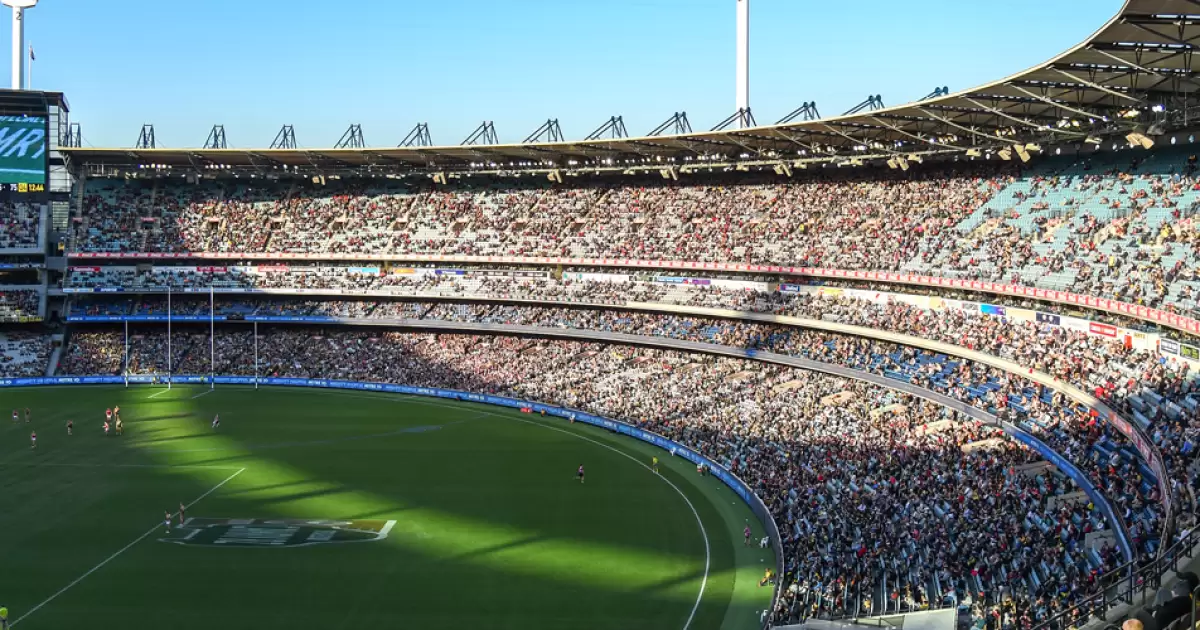
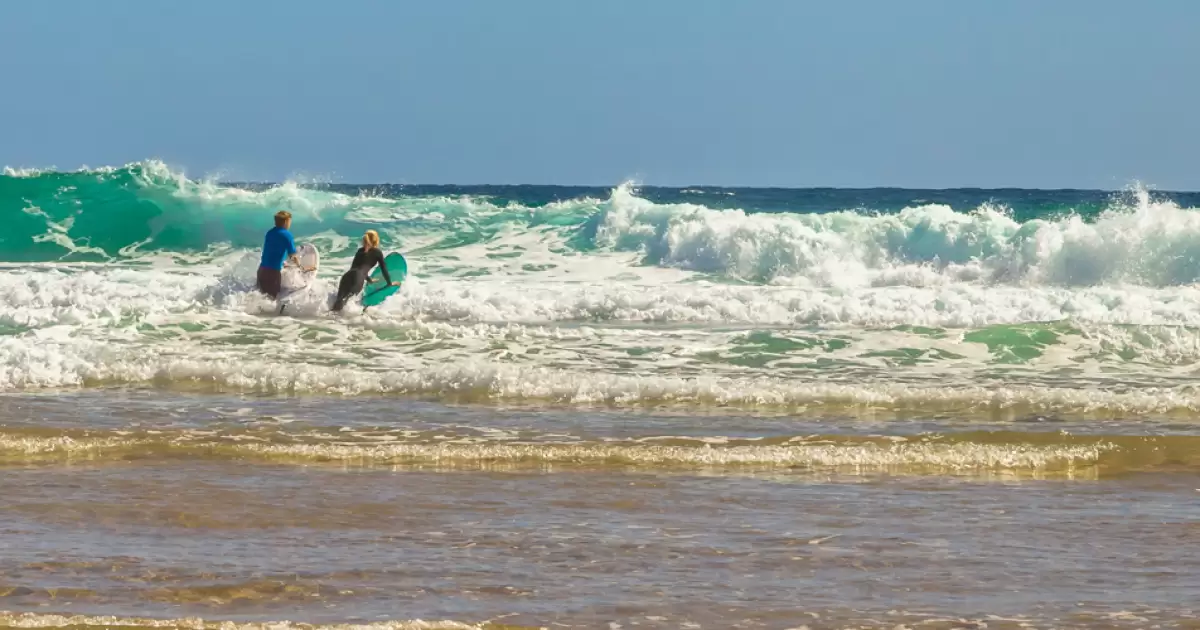
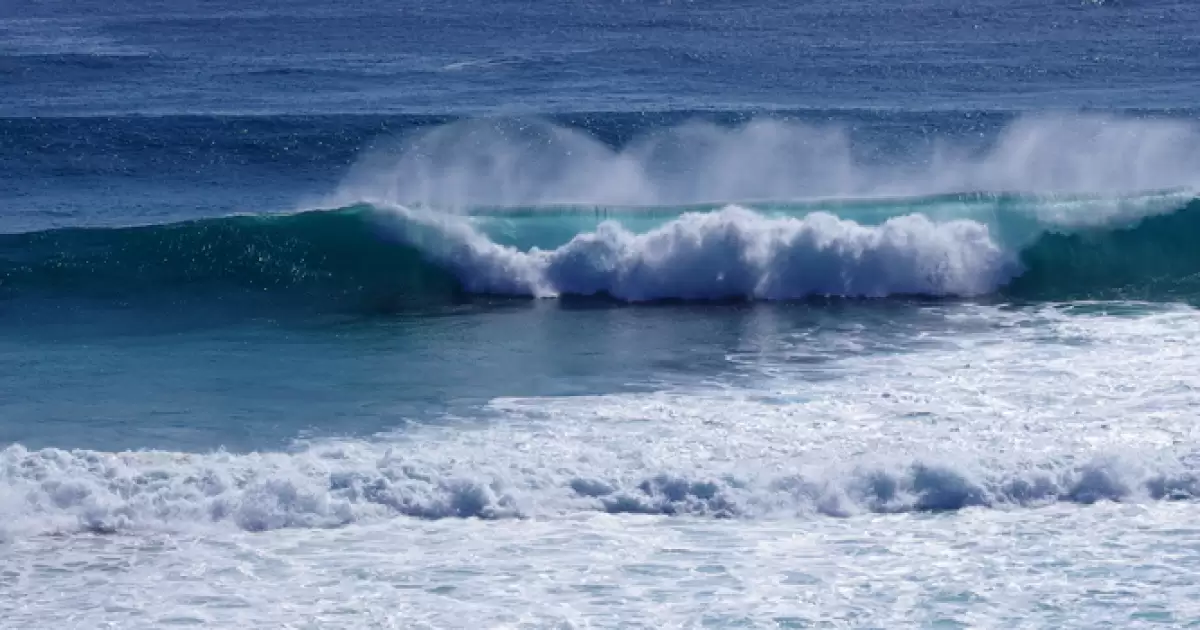
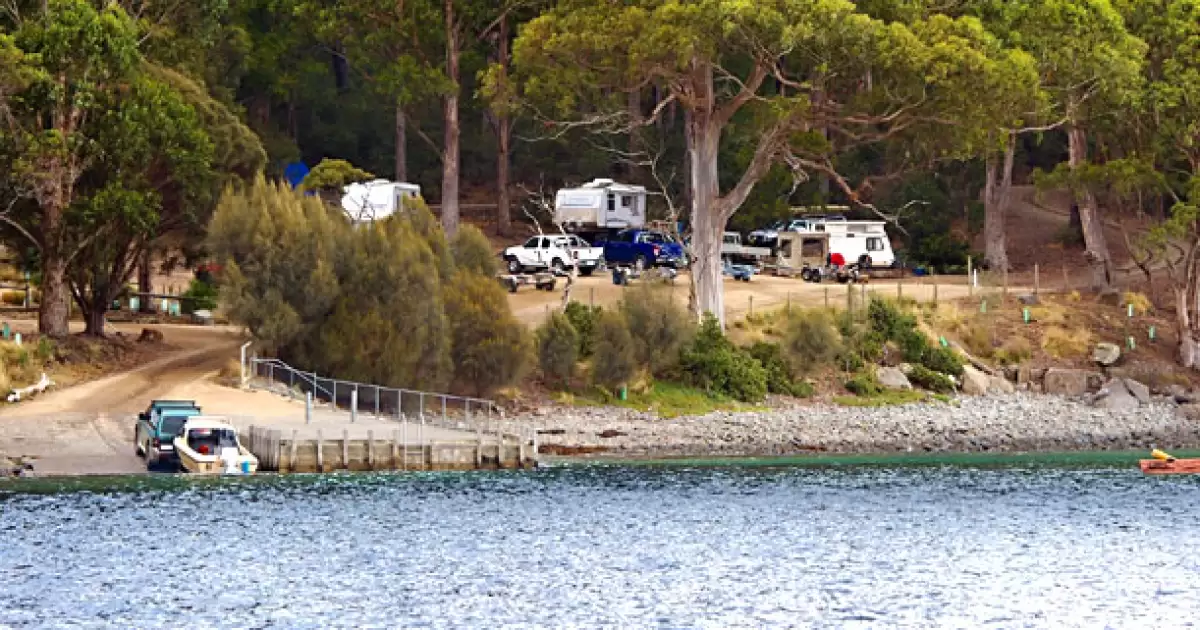

Australia's Stellar 2024 Paris Olympics Performance

The 2024 Paris Olympics will be remembered as a milestone in Australia's sporting history, inspiring future generations ahead of the 2032 Brisbane Olympics.

Mount Kosciuszko - Our tallest mount
Mount Kosciuszko

Mount Kosciuszko is Australia’s highest mountain, located in the Snowy Mountains in Kosciuszko National Park, New South Wales.

Orange - Home of the Purple Apples
A Taste of Orange without Oranges

The city of Orange sits at the foot of an extinct volcano, and is located in the Central West region of New South Wales, four hour’s drive west of Sydney.

ANZAC Biscuits
ANZAC Biscuits

Originally they were called Soldiers' Biscuits by wives, girlfriends and mothers of soldiers who went off to war.

The Celebrations of Sydney Gay and Lesbian Mardi Gras and Sydney WorldPride
Sydney Gay and Lesbian Mardi Gras & Sydney WorldPride

This year Sydney hosts two of the largest LGBTQ+ celebrations in the world, the annual Sydney Gay and Lesbian Mardi Gras & Sydney WorldPride.

Australian Rules Football

If you're looking for a new and exciting sport to watch, look no further than Australian Rules Football!

Game, Set, Explore: Tennis in Australia

Explore Australia's vibrant tennis culture, from local clubs to the Australian Open. Discover the community, competition, and spirit of tennis across the nation.

Margaret River Pro
Margaret River Pro

Margaret River Pro, a jewel in the crown of the World Surf League's Championship Tour and one of only two prestigious Australian events that draw the globe's surfing elite.

Stadium Australia
Stadium Australia

Stadium Australia, also known as ANZ Stadium and formerly known as Telstra Stadium, is a multi-purpose stadium located in the Sydney Olympic Park.

Port Macquarie - Beaches or Hinterland
Port Macquarie - 17 Beaches +

Port Macquarie is known for its 17 uncrowded beautiful beaches, lush hinterland, abundant wildlife and a diverse variety of attractions.


TOP